
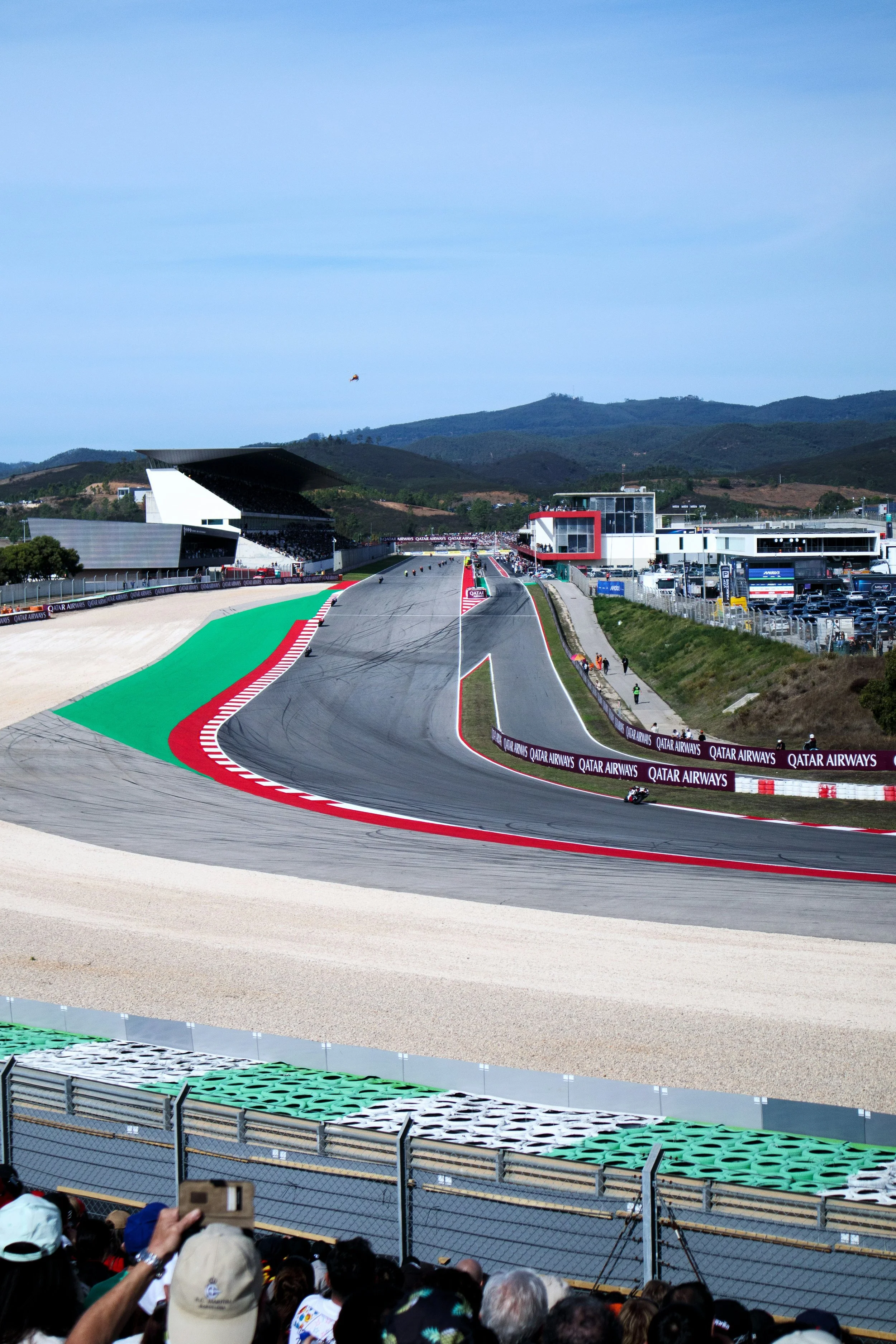
Motorsport Run-Off Area
The Challenge
A newly constructed motorsport run-off and drainage system was experiencing localised ponding, poor surface infiltration and stressed turf establishment. Water was visibly perching over filter drain locations and collecting in adjacent grassed run-off areas, raising concerns about whether the drainage design, specified materials and installed backfill were suitable for long-term performance.
Land useMotorsport, sports surfaces
& engineered landscapes
Project TypeSoil, drainage and landscape performance investigation
Study FocusFilter drain backfill, surface water management and turf establishment
Key FindingsThe installed backfill was not free-flowing. Samples contained high levels of silt and clay, with combined fines recorded between approximately 26% and 49%.
The material differed substantially from the intended drainage medium. The target profile was sand-dominant, whereas the installed material ranged from sandy loam to sandy clay loam.
Hydraulic performance was severely reduced. Estimated saturated hydraulic conductivity was far below the intended benchmark of approximately 210 mm/hr, with some values likely to fall as low as a few millimetres per hour.
Perched water behaviour was likely. The fine-textured backfill above coarser drainage stone increased capillary retention and reduced the ability of water to pass freely into the drainage layer.
Geotextile detailing further compromised performance. A geotextile layer over or around the gravel backfill introduced another hydraulic break and reduced continuity between the rootzone and drainage aggregate.
The surrounding run-off areas were also vulnerable. Compaction, localised depressions and
The Challenge
The drainage design relied on engineered surface falls directing runoff into filter drains. However, following construction, water was accumulating over the drains and across adjoining grassed areas. The principal question was whether the issue related to the original drainage specification, the material selected by the contractor, installation practice, or a combination of factors.
Surface water was ponding over filter drain alignments.
Run-off areas showed waterlogging, chlorosis and poor turf establishment.
The specified backfill was intended to function as a free-flowing drainage medium.
Laboratory results indicated the installed material had a much higher fines content than expected.
The Data
Average soil pH was approximately 7.9, indicating slightly alkaline conditions.
Potassium levels were generally good, ranging around Index 2+ to 3.
Magnesium levels were generally sufficient at around Index 2.
Available phosphorus was acceptable in the upper profile but extremely low below 150 mm.
Soil organic matter averaged approximately 5.8% across the 0–300 mm profile.
Upper-profile soils were generally sandy clay loam, while lower-profile soils were generally clay loam
The Outcome
The investigation concluded that the drainage system was fundamentally limited by unsuitable backfill material, poor hydraulic continuity and inadequate surface water management in the surrounding landscaped areas. Even modest rainfall events were likely to exceed the practical drainage capacity of the installed materials, explaining the observed ponding and delayed surface recovery.
The assessment provided a clear technical basis for remedial action, separating issues associated with material suitability, drainage detailing, compaction and wider landscape water management.
Our Recommendations
Remove and replace the filter drain backfill with a properly specified free-draining medium.
Set performance criteria around consolidated saturated hydraulic conductivity, porosity, capillary rise, clay content and silt content rather than relying on descriptive terms.
Remove geotextile layers that interrupt vertical hydraulic continuity between the backfill and drainage aggregate.
Install a suitable bridging layer where depth allows, using a fine gravel layer above the drainage stone.
Validate replacement works through on-site infiltration testing before full-scale installation continues.
Address low spots and compacted run-off areas with a dedicated surface drainage design, including lateral drains where required.
Improve upper-profile structure and turf resilience through appropriate organic matter incorporation and establishment management.
The case demonstrates the importance of specifying drainage media using measurable performance criteria rather than generic descriptions. By combining field evidence, laboratory data and soil physics, the assessment identified why the system was failing and provided a practical route to restore drainage performance, improve surface resilience and reduce future operational disruption.
Let’s chat.
Not sure where to start? We’re here to help. Get in touch and a member of our team will get in touch to answer any questions.