
Green Waste & Compost
Turning a Waste Cost into a Strategic Asset
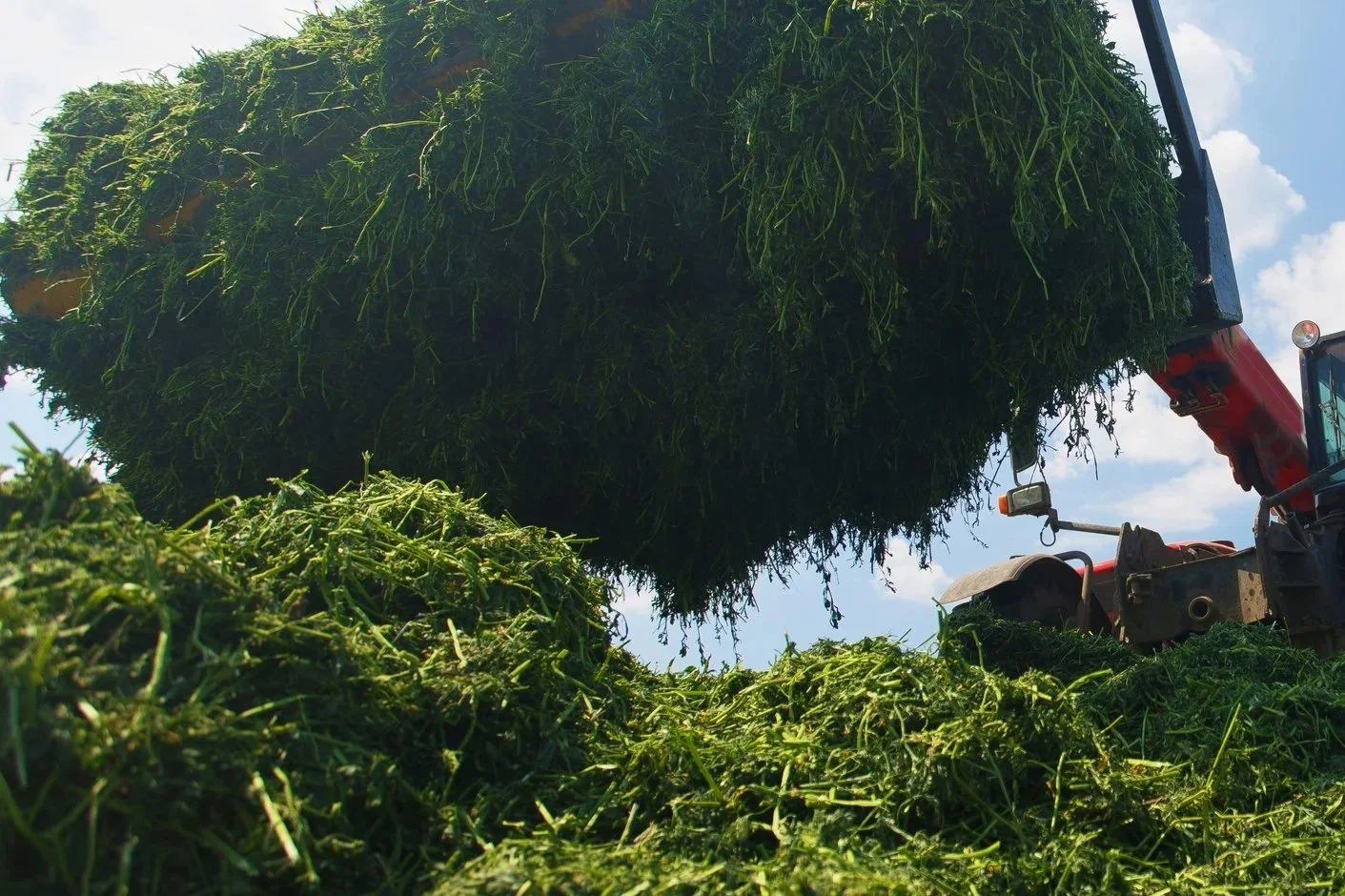
For many local authorities, green waste generated from parks, open spaces, highway verges, cemeteries and landscape maintenance operations is treated as a disposal problem rather than a valuable resource. Councils often incur significant costs to collect, transport and dispose of grass cuttings, leaves, pruning arisings and other organic materials, with contractors subsequently processing these materials into commercially valuable compost products.
In effect, councils frequently pay for green waste to be removed, while the resulting compost is sold back into the marketplace for use in agriculture, landscaping, horticulture and environmental projects. By viewing green waste through the lens of the circular economy, local authorities have an opportunity to reduce disposal costs, improve environmental performance and derive greater value from an existing resource stream.
Our Solutions
We work with local authorities to develop integrated green waste and compost management strategies that maximise the value of existing resources.
Our solutions include:
Green waste and compost utilisation strategies
Soil and carbon mapping
Precision land management planning
Compost application targeting
Natural capital and ecosystem service assessments
Carbon sequestration analysis
Biodiversity and habitat enhancement support
Climate resilience planning
Through the intelligent use of data, soil science and environmental analytics, we help councils transform green waste from a disposal cost into a valuable asset that improves soil health, enhances landscape performance, supports climate objectives and delivers long-term value for taxpayers.
-
The challenge is not simply producing compost but ensuring it is deployed where it delivers the greatest environmental and financial return.
We combine soil science, geospatial analysis and environmental monitoring technologies to help local authorities maximise the value of their green waste resources.
Using advanced datasets, including:
Soil mapping
Soil carbon assessments
Soil structure analysis
Vegetation health monitoring (NDVI)
Site topography and drainage mapping
Natural capital datasets
Carbon sequestration modelling
We can identify where compost applications will have the greatest impact across the council estate.
-
Not all soils require the same treatment. Some areas may suffer from compaction, others from poor water retention, low organic matter levels or declining turf quality.
Our mapping technologies allow councils to move away from blanket applications towards a precision management approach that identifies:
Areas most likely to benefit from organic matter additions.
Locations where compost can improve turf performance.
Sites requiring soil restoration or rehabilitation.
Areas with opportunities for increased carbon sequestration.
Land parcels where compost use may support biodiversity objectives.
Opportunities to improve drainage and flood resilience through enhanced soil health.
This evidence-based approach ensures that available compost resources are used efficiently and deliver measurable outcomes.
-
The strategic use of compost can contribute to a wide range of local authority priorities, including:
Net Zero and carbon reduction strategies.
Climate adaptation and resilience programmes.
Biodiversity enhancement initiatives.
Natural capital assessments.
Sustainable land management plans.
Sports pitch improvement programmes.
Tree establishment and woodland creation projects.
Sustainable drainage and flood mitigation schemes.
By treating green waste as a resource rather than a disposal liability, councils can unlock significant environmental, operational and financial benefits.
The Benefits of Circular resource managementHigh-quality compost is one of the most effective soil amendments for parks, sports facilities, open spaces and urban landscapes, improving soil health, plant growth and long-term land management outcomes.
-
Compost improves soil aggregation and structural stability, helping to alleviate compaction and create healthier rooting environments. Improved soil structure supports stronger plant growth whilst reducing maintenance requirements across council-owned land.
-
The incorporation of organic matter increases soil water-holding capacity while simultaneously improving infiltration and drainage. This helps landscapes perform more effectively during both drought conditions and periods of intense rainfall, increasing resilience to climate change.
-
Healthy soils support healthier plants. Compost contributes valuable organic matter and nutrients whilst encouraging beneficial soil biological activity. This can enhance the quality and resilience of turf, trees, shrubs and amenity planting schemes.
-
Organic matter represents stored carbon. Increasing soil organic carbon through compost applications can contribute towards local authority climate change strategies, carbon management plans and wider Net Zero ambitions. Improvements in soil carbon stocks can also support natural capital accounting and ecosystem service assessments.
-
Healthier soils often require lower levels of irrigation, fertiliser and remedial treatments. This can generate long-term operational savings whilst improving environmental sustainability.
Let’s chat.
Not sure where to start? We’re here to help. Get in touch and a member of our team will get in touch to answer any questions.