
The Challenge
The site owner required a clear, low-cost and fast-turnaround understanding of whether the landscape had meaningful potential to store additional carbon through improved soil and land management. The assessment was intended to identify the scale of the opportunity, highlight practical constraints, and determine whether further investment in detailed monitoring and a longer-term carbon improvement strategy would be worthwhile.
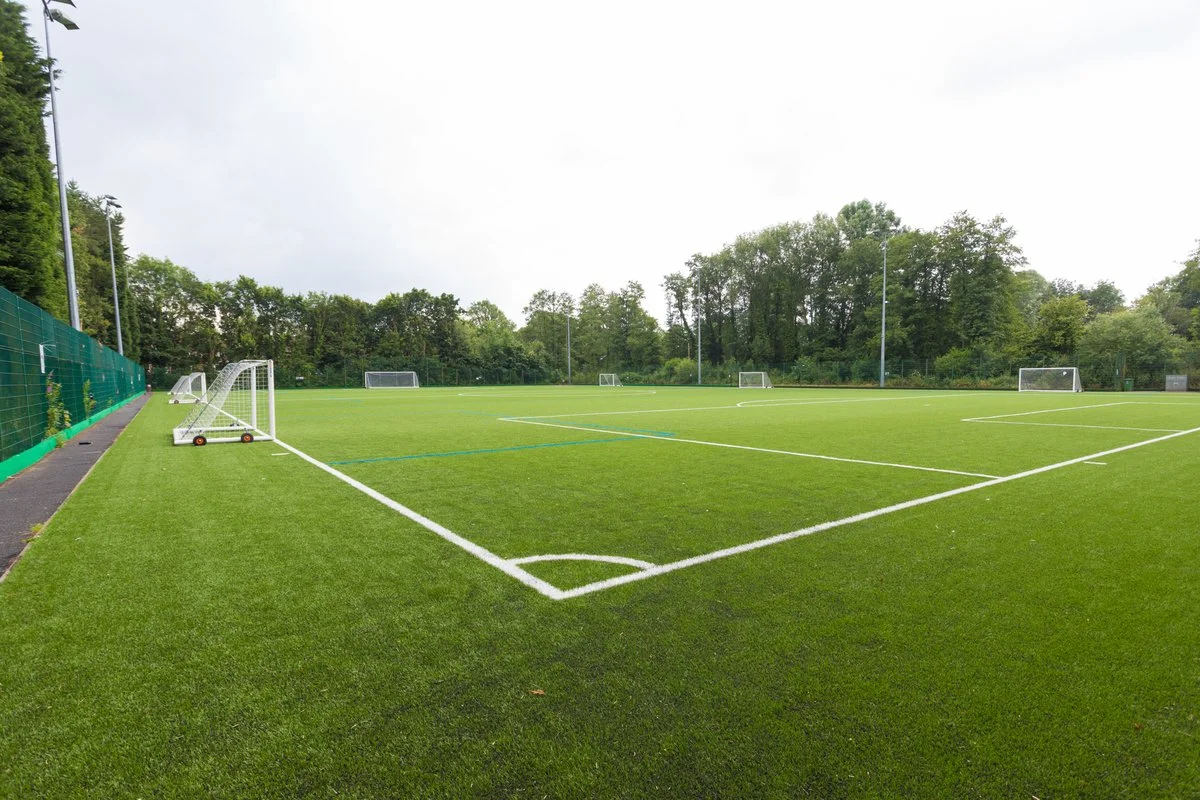
Arrow Park Leisure Pitches, Redditch
Land useAmenity grassland with approx 10% tree canopy cover
Area Assessed8.3 hectares across
three areas
Soil association813e Compton: stoneless, mostly reddish clayey soils affected by groundwater
GeologyRiver alluvium over Mercia Mudstone Group bedrock
Key FindingsThe assessment found that all three areas were within the Compton soil association and located on an old floodplain of the River Arrow, where alluvium is the dominant superficial material. The site has moderate to high carbon potential, but this potential is constrained by soil structure, rooting depth, groundwater influence and nutrient balance.
Modelled carbon storage potential to 1 metre: 250 tonnes of carbon, equivalent to approximately 915 tonnes of CO2.
Measured carbon storage from core sampling and laboratory analysis to 300 mm: 148 tonnes of carbon, equivalent to approximately
543 tonnes of CO2.
Area 1 showed poor soil structure, limited root development and possible compaction at around 200 mm.
Area 2 also showed poor root development and moderate compaction, with low phosphate levels.
Area 3 showed evidence of previous equestrian activity, with higher phosphate and higher pH than the other areas.
Our Approach
Arrow Park leisure pitches in Redditch were assessed to understand the current and potential soil and landscape carbon value of an 8.3 hectare amenity grassland site. The work combined existing national datasets, visual interpretation, modelled soil carbon estimates and site-based sampling to provide a practical baseline for future land management decisions.
The Outcome
The principal opportunity is to increase rooting depth and improve soil function so that the site can retain more organic matter and support greater carbon sequestration. Improving drainage and reducing compaction to a depth of approximately 300 mm would help create better aeration, stronger root growth and a more resilient soil profile.
Recommended interventions include ongoing annual soil assessment, reduced mowing where compatible with recreational use, rotary decompaction or verti-draining, targeted phosphate correction, use of bio-stimulants such as Leonardite, incorporation of pelletised compost, and overseeding with deeper-rooting grass and meadow species in suitable areas.
The Positive Climate Impact Potential
Improved soil structure and reduced compaction.
Greater rooting depth and more active biological cycling in the upper soil profile.
Improved nutrient availability, particularly where phosphate is limiting.
Enhanced soil organic carbon retention over a 5 to 10 year management period.
Potential biodiversity gains through increased native grass, meadow and tree cover.
A stronger evidence base for future carbon mapping and site-specific investment decisions.
The preliminary findings support the development of a detailed five-year carbon capture development plan.
The next stage should include client review, confirmation of management objectives, annual soil monitoring, consideration of a tree carbon audit, and preparation of a targeted programme of soil improvement works for each of the three assessed areas.
Let’s chat.
Not sure where to start? We’re here to help. Get in touch and a member of our team will get in touch to answer any questions.